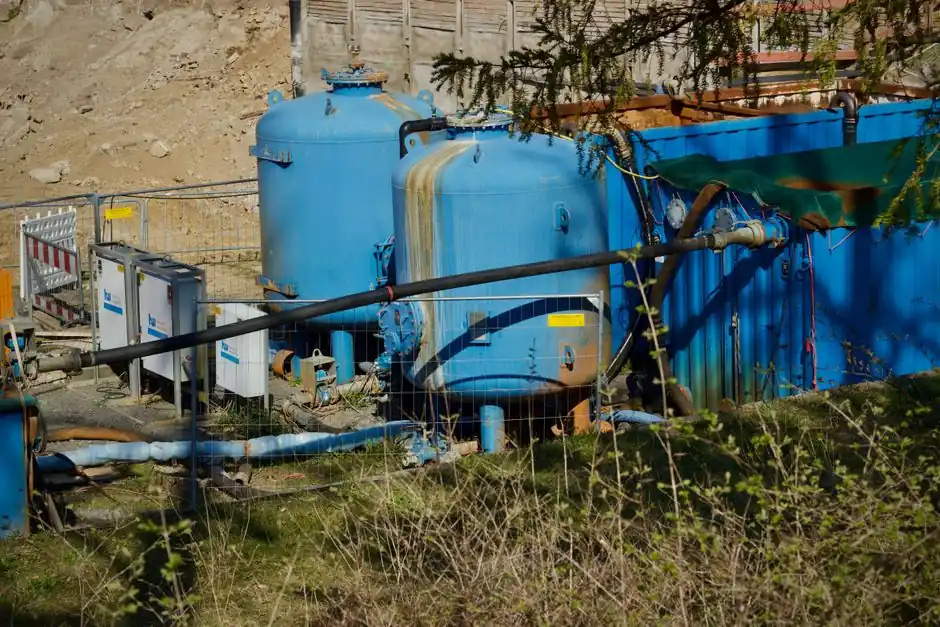
For homeowners in Merlin, understanding the lifespan of a septic system is crucial for maintenance and planning. On average, a septic system can last anywhere from 20 to 40 years, depending on various factors. In this article, we will explore the average lifespan of septic systems in Merlin, the factors that affect their longevity, and tips for proper care to ensure your system lasts as long as possible.
Understanding Septic System Lifespan
The lifespan of a septic system is not a one-size-fits-all figure. It can vary widely based on several factors, including the type of system, soil conditions, and maintenance practices. For homeowners, knowing the expected lifespan can help in budgeting for repairs or replacements.
Average Lifespan of Septic Systems in Merlin
In Merlin, the average lifespan of septic systems typically ranges from 20 to 30 years. However, some systems may last longer if properly maintained. Factors such as soil type, system design, and local regulations can significantly influence this lifespan.
- Conventional systems: 20-30 years
- Mound systems: 20-25 years
- Aerobic treatment units: 15-20 years
It's essential to monitor the condition of your system regularly. Homeowners should be aware of signs that may indicate a problem, such as slow drains or foul odors.
Factors Affecting Septic System Longevity
Several factors can impact the longevity of your septic system in Merlin:
- Soil Type: The ability of soil to absorb water can affect system performance. Clay soils, for example, may lead to more frequent failures.
- System Design: Properly designed systems are more likely to last longer. Systems that are too small or improperly installed can lead to early failures.
- Maintenance Frequency: Regular pumping and inspections can significantly extend the life of your septic system. Homeowners should schedule pumping every 3-5 years.
- Water Usage: High water usage can overload a septic system, leading to premature failure. It's essential to manage water use effectively.
Merlin Septic System Care Tips
To ensure your septic system operates efficiently and lasts as long as possible, consider the following care tips:
- Regular Inspections: Have your system inspected every 1-3 years by a professional.
- Pumping: Schedule pumping every 3-5 years to remove solids and prevent clogs.
- Limit Water Usage: Spread out laundry and avoid excessive water use to reduce strain on your system.
- Avoid Harmful Chemicals: Do not flush chemicals or non-biodegradable items that can disrupt the bacterial balance in your septic tank.
By following these tips, you can help prolong the lifespan of your septic system and avoid costly repairs.
Common Mistakes to Avoid
Many homeowners make common mistakes that can lead to septic system failure:
- Neglecting Maintenance: Failing to schedule regular inspections and pumping can lead to serious issues.
- Flushing Non-Biodegradable Items: Items like wipes, feminine products, and grease can clog your system.
- Overloading the System: Excessive water use can overwhelm the septic system and lead to backups.
When to Call a Professional
If you notice signs of a failing septic system, such as slow drains, standing water, or unpleasant odors, it's time to call a professional. Merlin Septic Service and Repair Company can provide expert assistance in diagnosing and repairing any issues with your system.
Frequently Asked Questions
How long does a septic system last in Merlin?
The average lifespan of a septic system in Merlin is typically between 20 to 30 years, depending on maintenance and environmental factors.
What affects the lifespan of a septic system in Merlin?
Factors such as soil type, system design, maintenance frequency, and water usage all play a critical role in determining the lifespan of a septic system.
How can I extend the life of my septic system in Merlin?
Regular maintenance, including inspections and pumping every 3-5 years, along with mindful water usage, can significantly extend the life of your septic system.
When should I replace my septic system in Merlin?
If your system is over 30 years old, frequently backs up, or shows signs of failure, it may be time to consider a replacement.
What are the signs of a failing septic system?
Signs include slow drains, unpleasant odors, standing water, and lush grass over the drainfield area, which can indicate leaks.